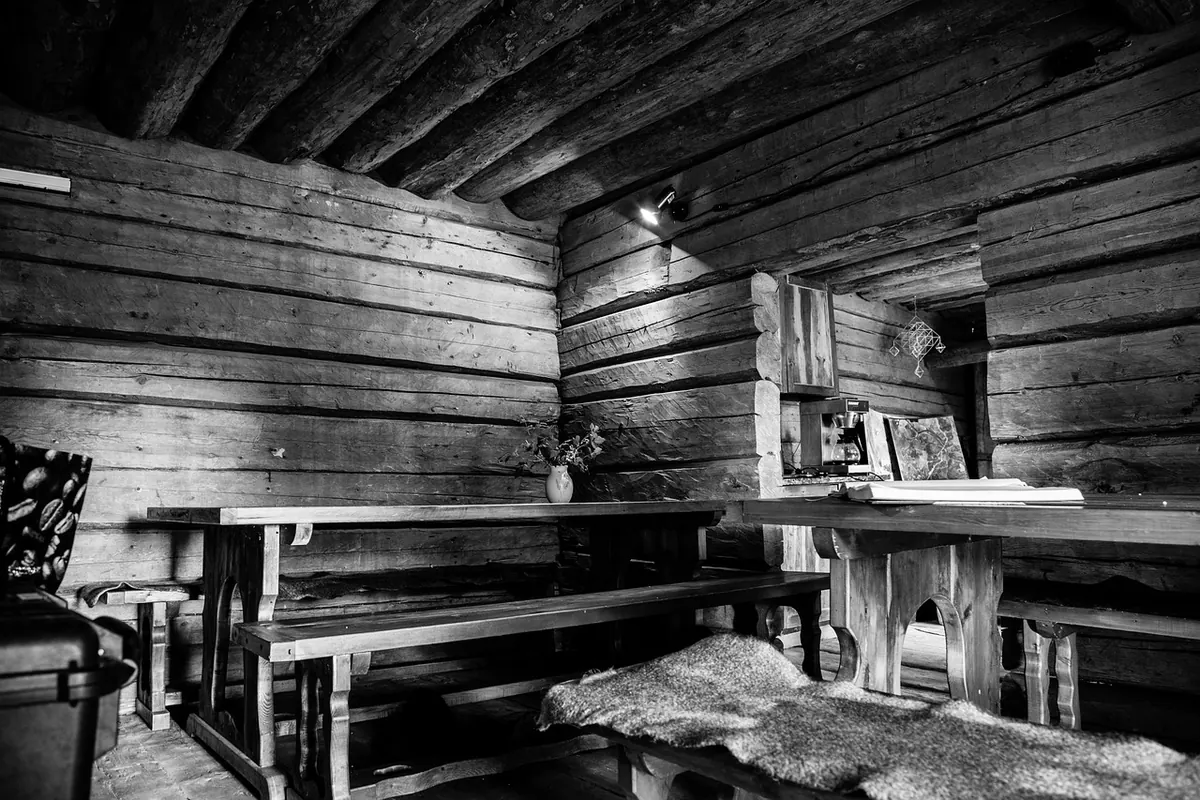

A Seasonal Guide to British Countryside Decor: Spring, Summer, Autumn, Winter

There is a particular satisfaction in a house that follows the year. A stone cottage in the Peak District and a flint-faced farmhouse in Norfolk do not look the same in May as they do in November, and they shouldn't. The change rarely costs much: a branch of blackthorn, a washed linen cover, a bowl of crab apples on the dresser, and the room has quietly moved on with the season. What follows is a practical way to do it, using what grows nearby and what you already own.
Start With the Light, Not a Colour Scheme
In a north-facing farmhouse sitting room, February light is grey and flat. The same room in June is bright until nearly ten at night. Chasing one palette through those extremes is a losing game, which is why country interiors tend to lean on texture instead. Wool, raw linen, oak, quarry tile, aged brass and stoneware all read well in poor light; a lot of pale, flat, man-made fabric does not.
Spend a week noticing where the light actually falls. Which chair is in the sun at breakfast? Which corner stays dim all day and needs a lamp rather than a mirror? Move two things rather than buying five: a floor lamp out of the dead corner and beside the armchair, a mirror away from the wall it's doing nothing for. Get that right and the seasonal decorations become much easier.
Spring: Blossom, Chalk and Fresh Air
Spring work begins with subtraction. Take down the Christmas greenery, pack away the dried arrangements, fold the heavy throws and send the wool blankets to be washed and dried outside if the weather allows. Store them with lavender bags or cedar blocks in a clean, dry box. Then wash the windows, and the house will feel a fortnight further into the year without anything new in it.
What you bring in now should be pale and loose. Blackthorn and hawthorn branches cut in March and April will open indoors over a week or so; cut the stems on a slant, split the woody ends with secateurs and stand them in cool water in a cool room. Daffodils from the garden are best kept in their own jug for a few hours before you mix them with anything else, because their stems leak a sap that shortens the life of other flowers. Cow parsley arrives in May and lasts only a few days, so condition it overnight in deep, cold water and enjoy it while it lasts.
Keep the vessels plain — stoneware, enamel, terracotta, one good glass — and let the stems do the work. Linens come out, curtains are tied back, and the palette runs to chalk white, primrose, soft green and the faded blues of old china.
Summer: Bring the Garden In, Then Open the House
High summer is generous, which is exactly why it needs restraint. Sweet peas look best in a tight bunch in a narrow jug; roses prefer a wide, shallow bowl where they can sit without crowding. Change the water daily in hot weather and trim the stems every other day — a minute of fiddling keeps an arrangement going an extra week. Several small jugs around the house usually look better than one enormous display in the hall.
Strip the room back in the same spirit. Wool rugs go up, cotton and ticking stripe come down from the linen cupboard, valances come off, doors and windows stay open and need something heavy to hold them. If you have a range cooker or an open fire that you won't be lighting until October, that's a good place for a basket of dried lavender or a bowl of garden herbs.
Foraging Without Stripping the Hedge
- Ask first. On private land and on most nature reserves you need permission, and uprooting a wild plant without the landowner's consent is against the law. Picking is also restricted or banned on many protected sites.
- Take a little from a lot. One or two stems from a generous stand of cow parsley or meadowsweet, never the whole clump and never the only plant in a spot.
- Leave the berries. Rosehips, haws and sloes feed birds through the winter. Take what you will genuinely use and leave the rest on the branch.
- Avoid verges beside busy roads, and rinse stems outdoors before they come in. Wash your hands afterwards: hedgerow material can carry insects, and long grass carries ticks.
Autumn: Wood, Wool and Dried Things
Autumn is the season when gathering pays off, because much of it keeps. Cut hydrangea heads in September once the colour has turned papery, strip the leaves and hang them upside down in a dark, airy shed for a fortnight. Honesty seed heads, teasels, alliums and grasses can be treated the same way. Bracken and beech leaves make a wonderful arrangement for about a week before they start to drop, so use them in a hall or porch rather than above a sofa.
Textiles come back with a purpose. A Welsh blanket over the back of a chair is decorative; the same blanket over the knees of whoever sits nearest the draughty door is useful. A sheepskin on a wooden chair in a cold hall transforms it. Bring a basket of dry logs indoors and keep the main stack outside under cover, and put a bowl of crab apples or quince on the dresser where you will see it every day. Colours can be deeper now: ochre, russet, moss green, that warm grey-brown of old timber.
Winter: Evergreens, Small Lights and Quiet Corners
Holly, ivy, yew, moss and birch logs will carry a room through to March. Wear gloves when you handle holly, and keep evergreens away from radiators and fireplaces, or they will drop their needles within days. Line any container before you tuck moss around the base of a display, so damp doesn't sit against painted wood or a polished surface.
The single most effective change you can make in a dark month is lighting. Switch off the ceiling light in the evening and use two or three small pools of light instead — a table lamp, a standard lamp, a candle or two. Deep colours work beautifully in winter as long as they are used sparingly: an ink blue cushion, an oxblood throw, a dark green jug. Add tweed and tartan, layer wool over cotton, and put a tray by the back door for boots. It is not glamorous, but a dry floor makes the whole house feel warmer.
A Kit Worth Keeping Together
- Three vessels of different shapes: a wide shallow bowl, a tall narrow jug and a stoneware pot with a narrow neck.
- Sharp secateurs and a roll of galvanised wire. Scrunched into a wide-necked vase, the wire holds stems exactly where you want them.
- Gardening gloves and one old towel for drying wet stems before they go on a table.
- A basket for gathering and a lidded crate for storing the season you have just packed away.
- Garden twine, a few pebbles for weighing down bowls, and a shelf in a cool dark shed where things can hang and dry.
A Rhythm That Keeps It Manageable
Seasonal decorating goes wrong when it becomes a shopping trip or a chore. A simple routine works far better than enthusiasm.
- At the turn of each season, empty the mantelpiece, the dresser and the kitchen windowsill. Clean them properly, then put back only what you want to look at for the next three months.
- Pack the outgoing season into the crate — dried stems, wreaths, textiles, candles — and label it. Anything unused this year goes to the charity shop or the compost heap.
- Choose one thing to bring in from outside and one thing to bring down from storage. Two or three additions are plenty; five starts to look like a shop display.
- Wash and air wool before it is stored, and add cedar or lavender. Moths do far more damage to stored blankets than to anything in use.
- Manage damp. Wet coats, boots and foraged greenery all bring water into a house, so keep mats at the doors, a tray for wellingtons, and let hedgerow finds spend their first night in a cool outhouse.
None of this needs a budget, and none of it needs to be finished in a weekend. What makes these rooms work is a habit of noticing: what is out in the lane this week, which corner of the house is coldest, where the light lands at four o'clock in the afternoon. Follow that, and the house will look after itself.
Photo: yacubee / Pixabay